Tinybop — GAME Design
Things That Go Bump
Product Designer · Game Design · Art Direction
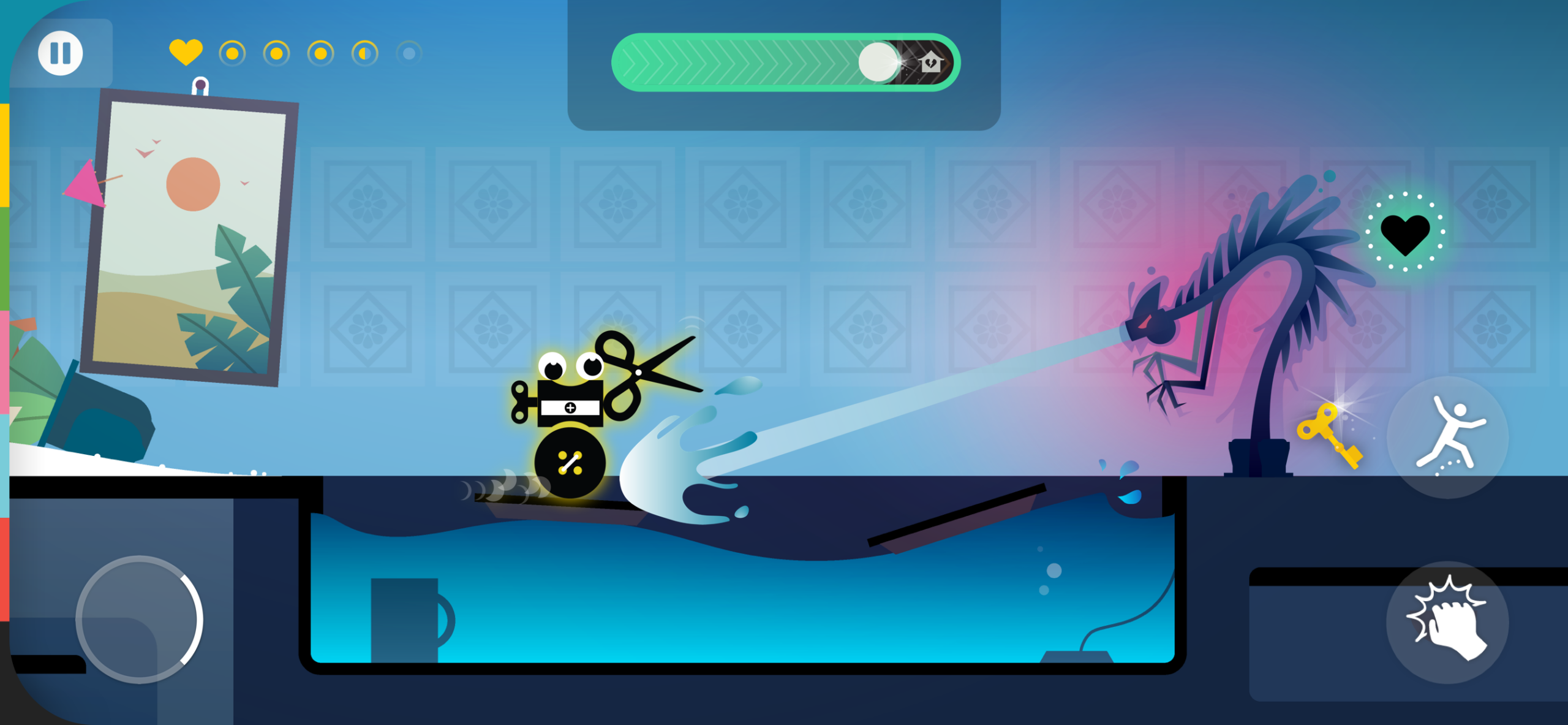
Things That Go Bump is a game inspired by Japanese yōkai folklore, where everyday household objects come alive after dark and turn into strange, mischievous creatures.
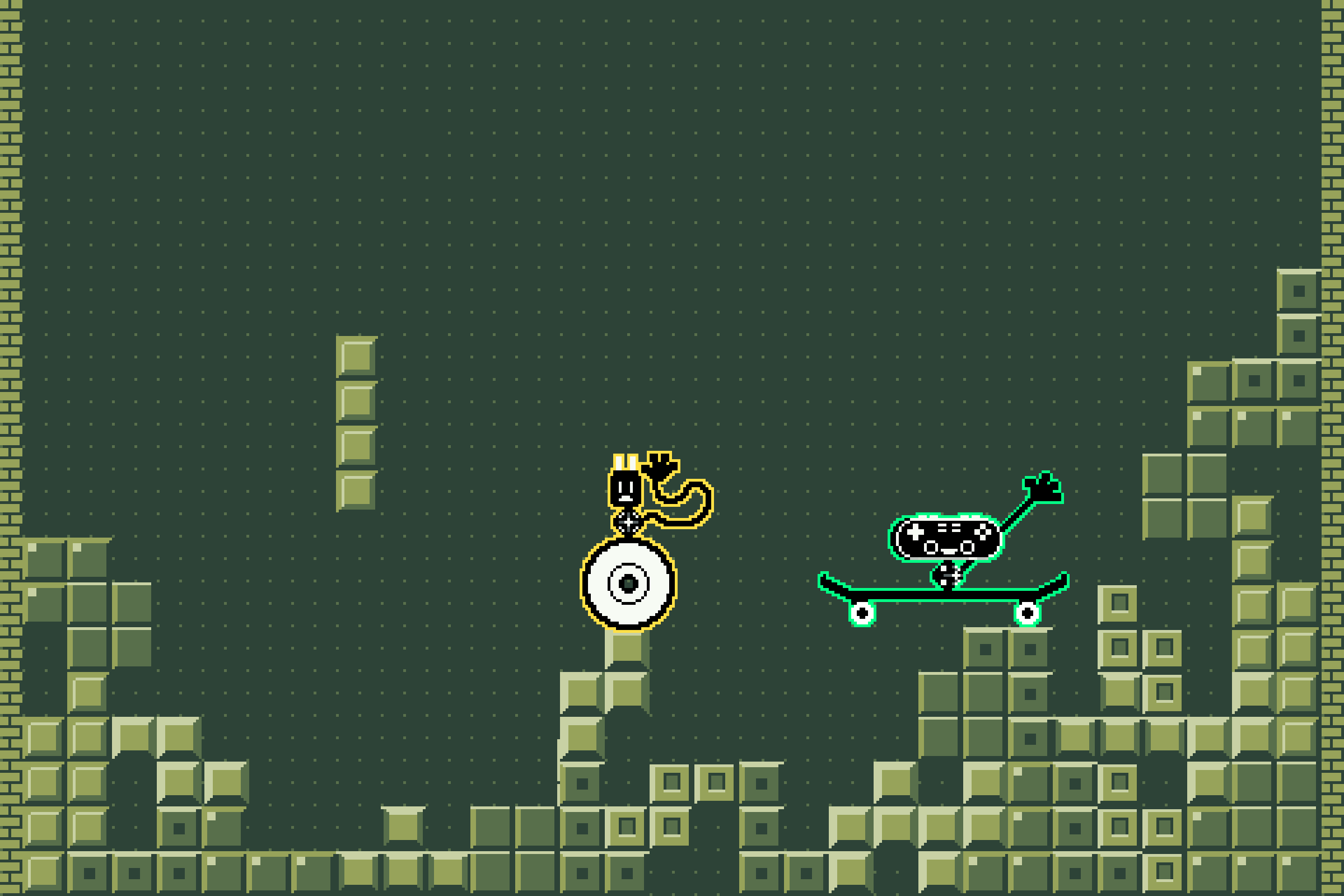
The project started as a small experiment between a developer and me. We were interested in the idea of building creatures out of interchangeable parts—heads, bodies, limbs, objects—and seeing how much personality could come from combining them in unexpected ways.
That simple system eventually became the foundation for a much larger game.
CONCEPT
A funny little experiment
The earliest version of Things That Go Bump was mostly about making creatures and seeing what happened.
We built a modular system that let different parts be swapped and recombined, so a creature could feel completely different depending on how it was assembled. The fun came from the combinations: familiar household objects could become weird, funny, or surprisingly expressive once they were put together in the wrong—or right—way.
As the system grew, it became clear that there was more here than a character builder. The creatures started to suggest a world, rules, and a reason for them to exist.
CREATURE SYSTEM
Designing for endless combinations
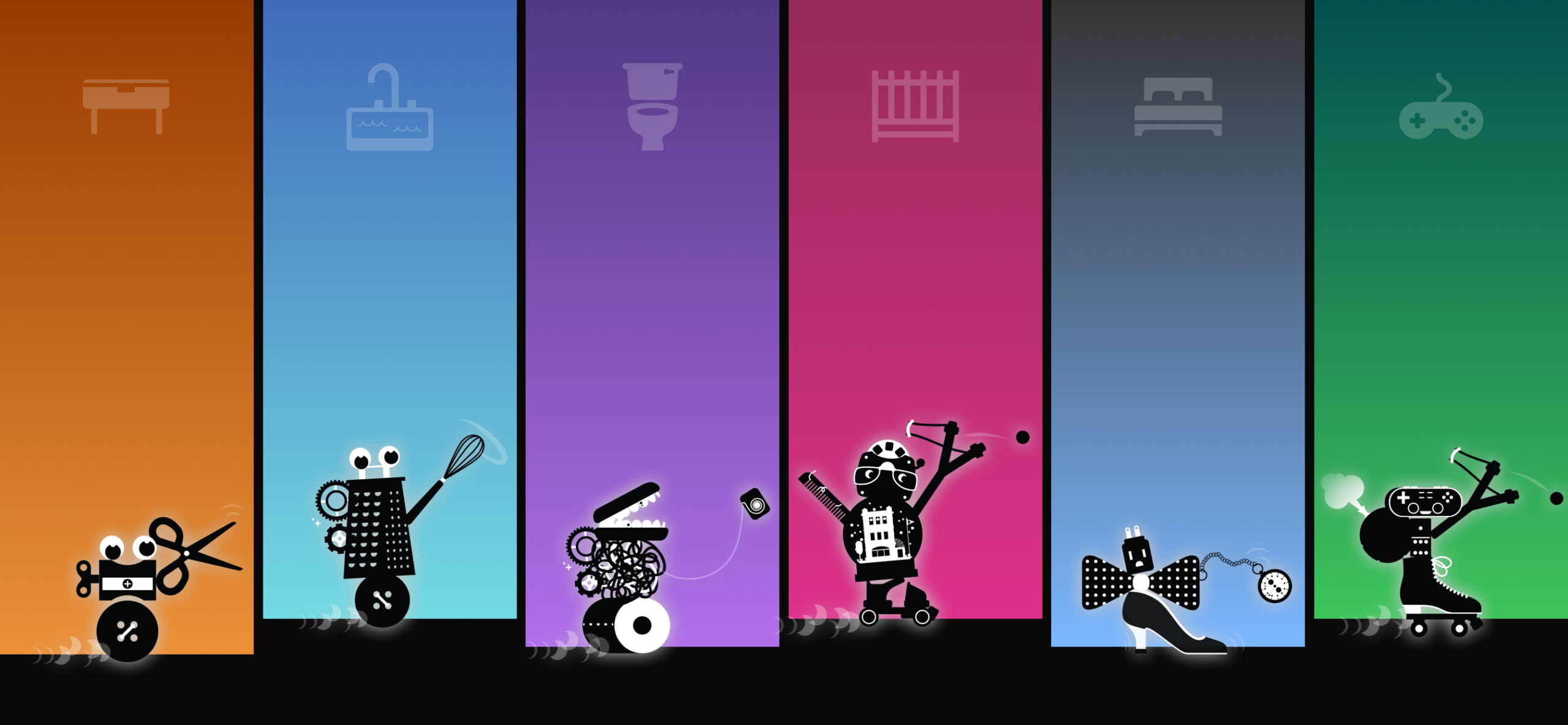
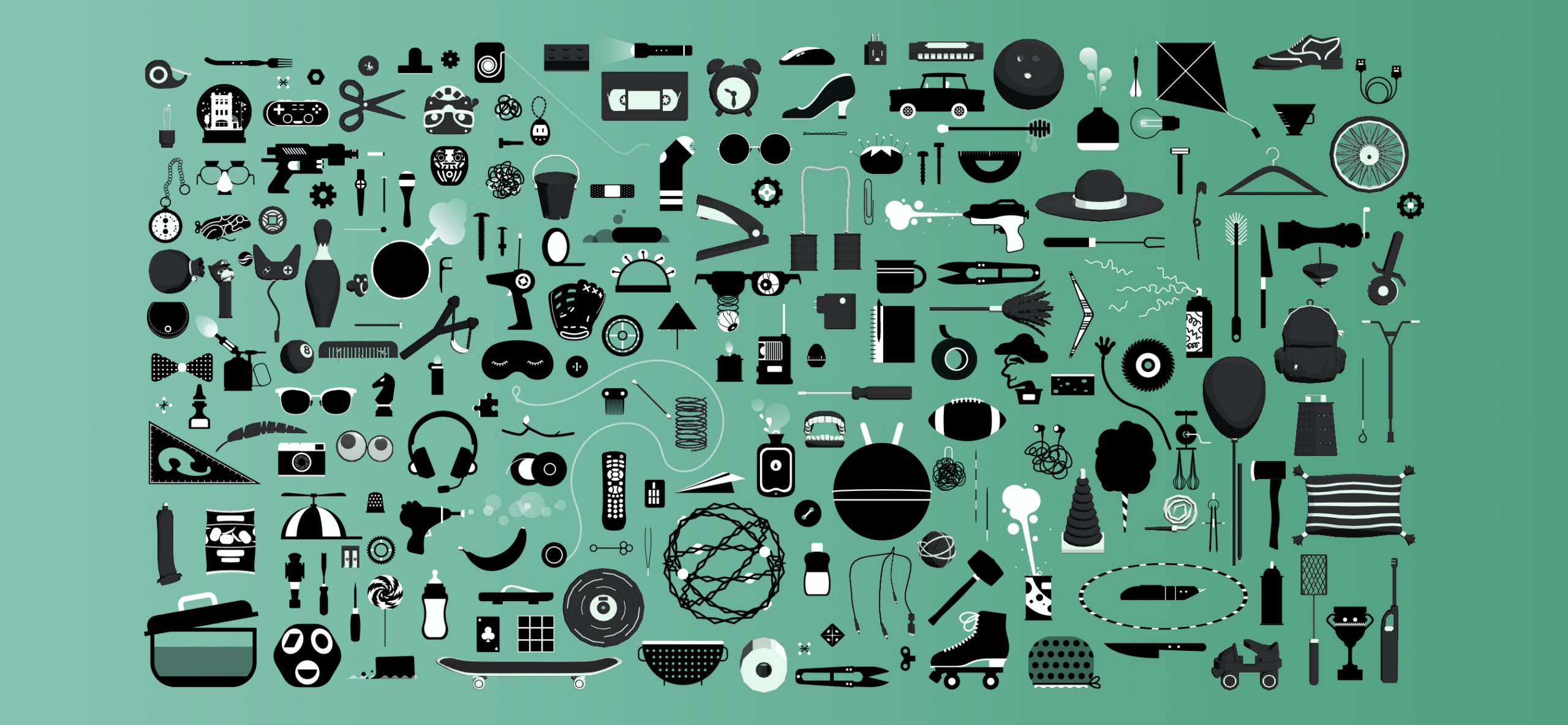
The creatures were built from interchangeable parts, so every head, body, limb, and object had to work as part of a much larger system.
We weren’t trying to make every combination look perfectly designed. Some of the fun came from putting things together that probably shouldn’t work and discovering a creature with a personality we hadn’t expected.
I worked closely with Adrian Fernandez as we figured out the rules that held the system together—how parts connected, how much they could vary, and what made even the strangest combinations still feel like they belonged in the same world.
That balance between consistency and unpredictability became the foundation for the rest of the game.
ART DIRECTION
Finding the visual language
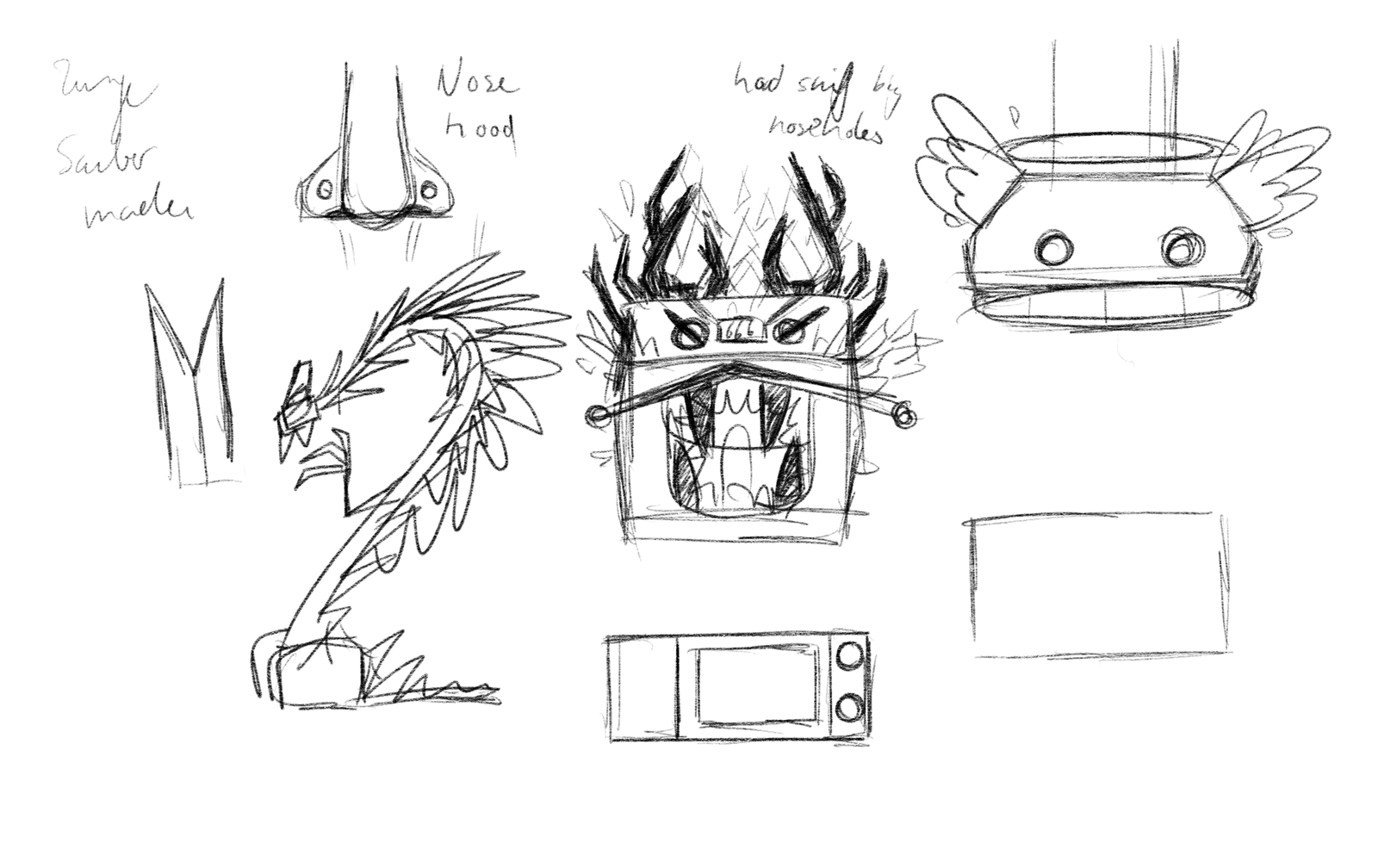
The premise needed a visual style that could make a lamp, shoe, vase, or piece of furniture feel like it belonged to the same strange little universe.
I worked closely with illustrator Adrian Fernandez as the creature system and visual language developed together. His character work brought a huge amount of personality to the parts, while the modular structure gave us a framework for continually expanding the cast.
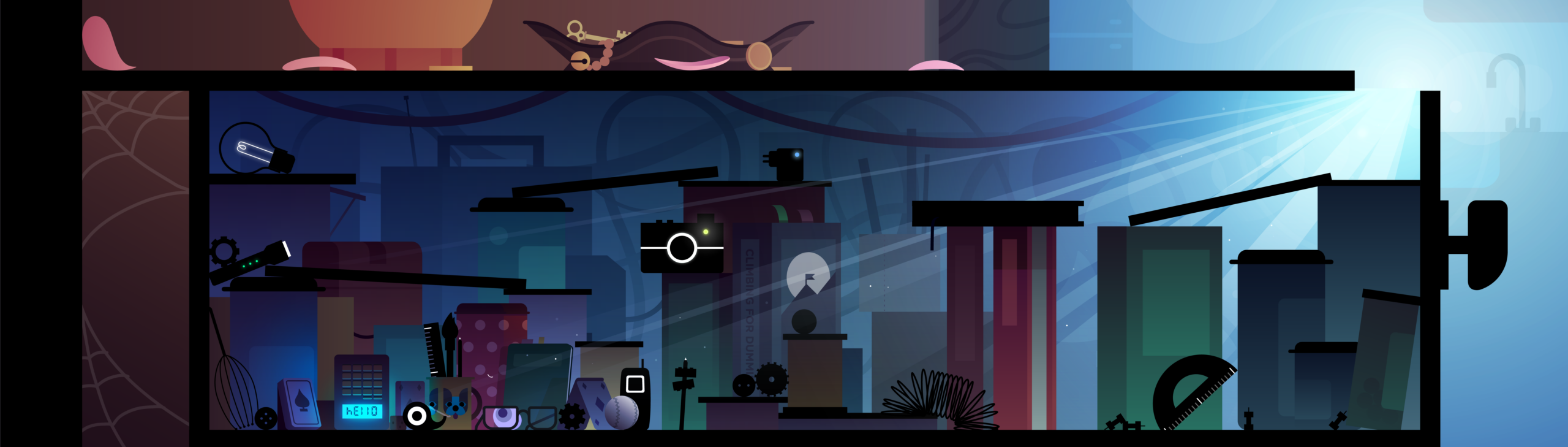
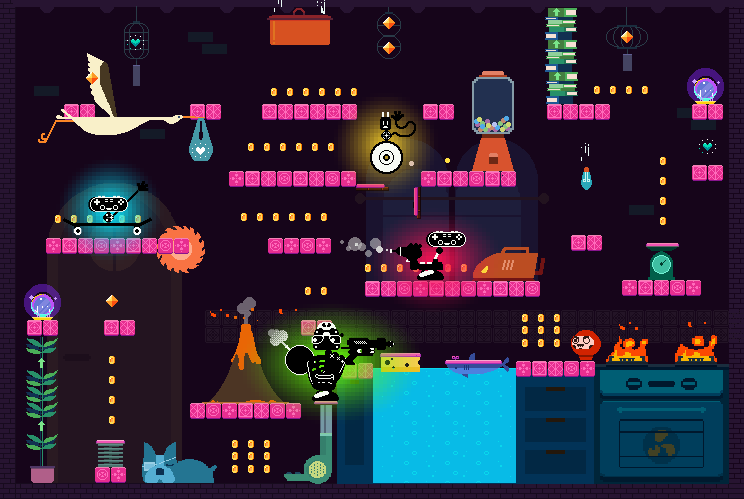
As the world grew, we introduced new game room levels, including hidden easter egg scenes illustrated by Francesca De Vivo. We later expanded the experience again with the Digital Realm, which brought the characters into players’ surroundings through the device camera.
The result was a world that could keep growing while still feeling cohesive—playful, odd, and a little uncanny without becoming scary.
WORLD BUILDING
Giving the creatures a world
Once the creature system started to take shape, we began building a world around it.
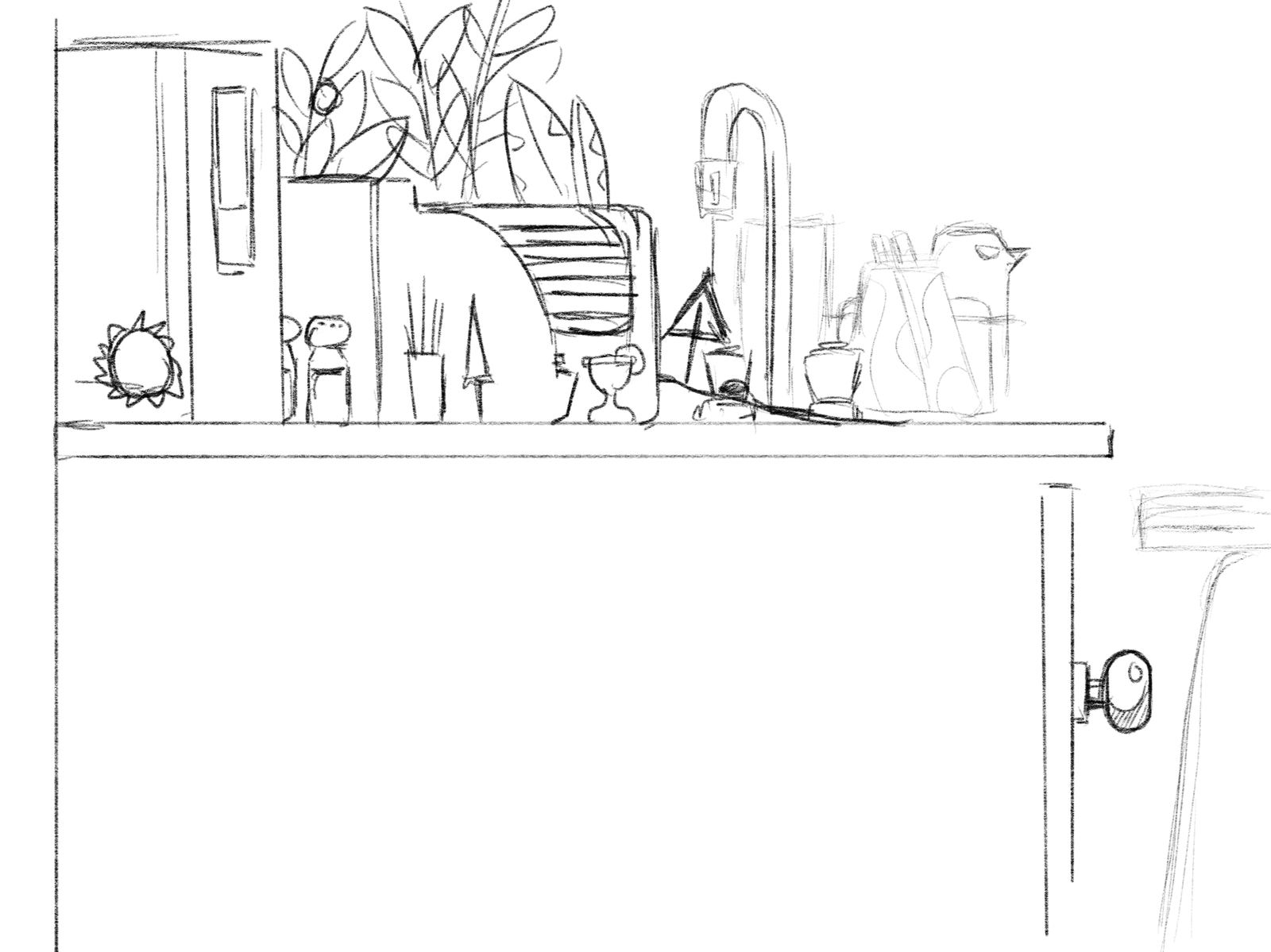
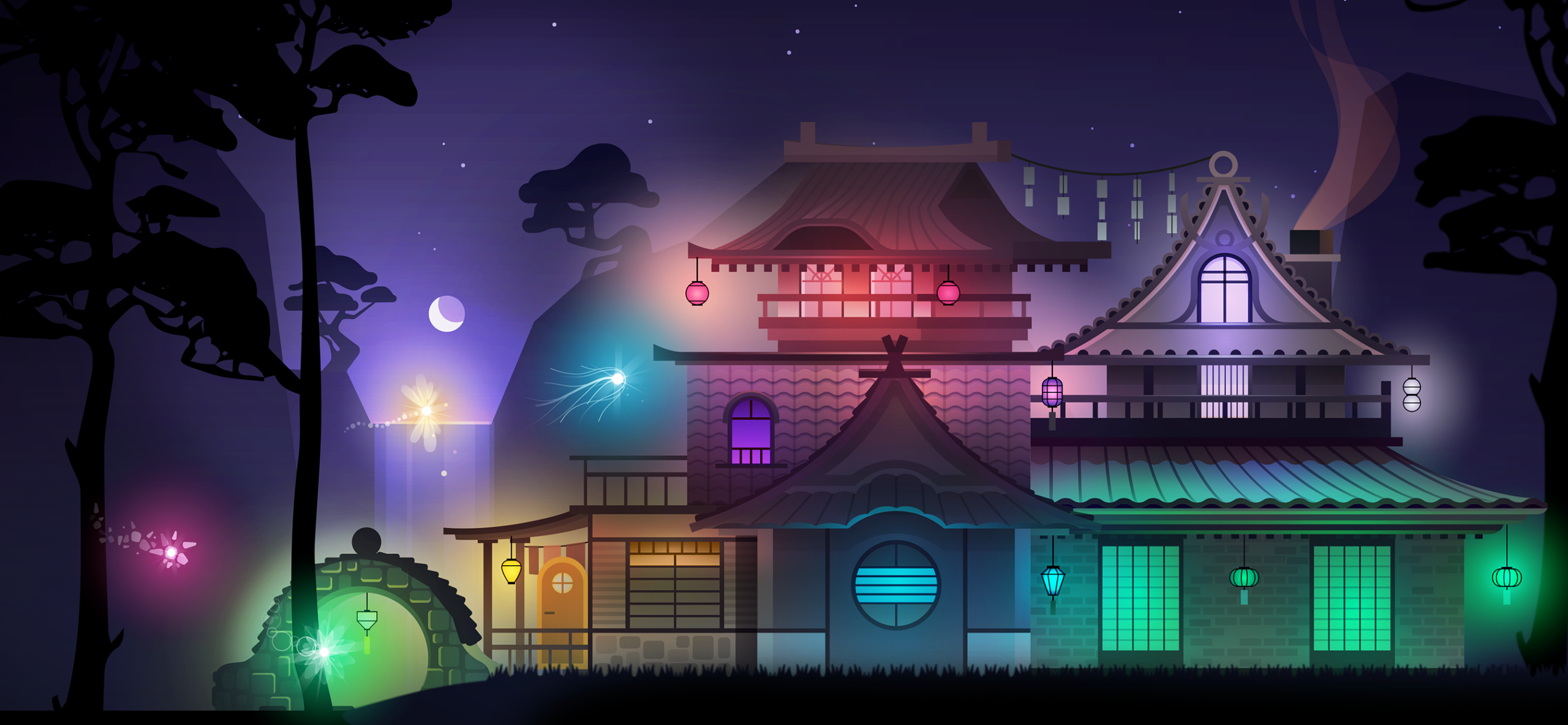
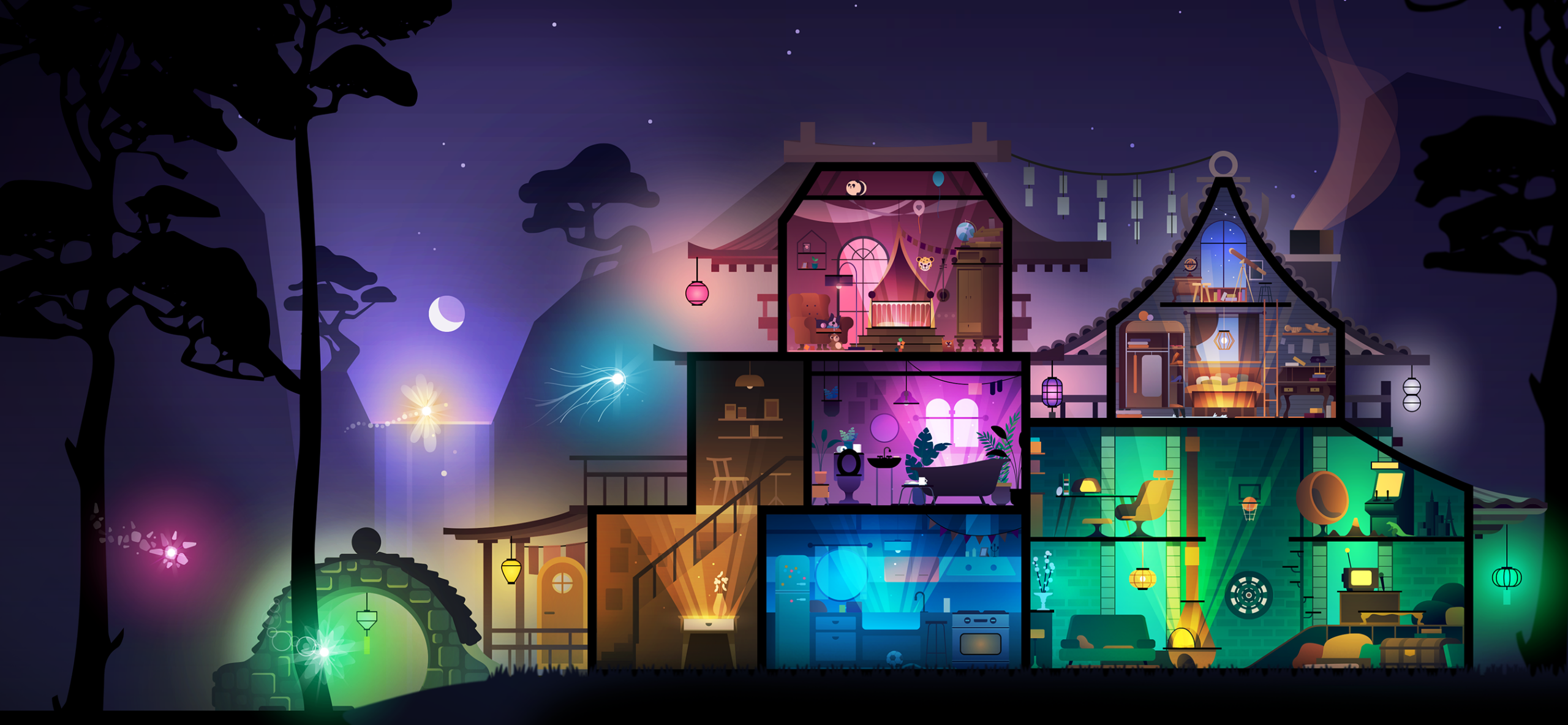
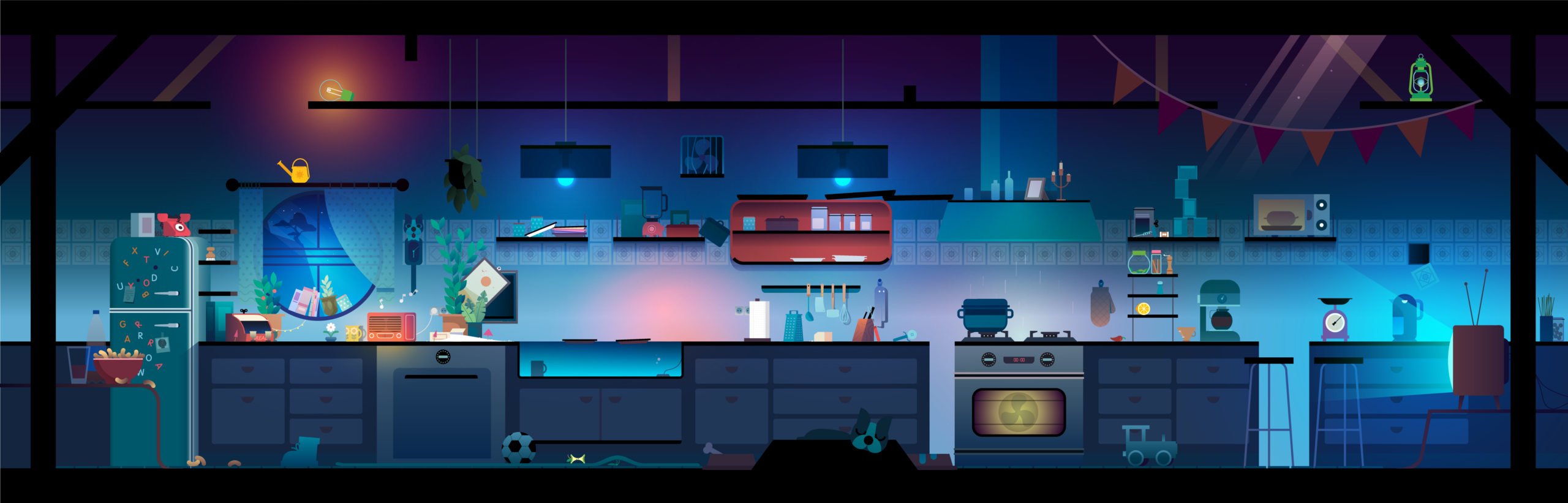
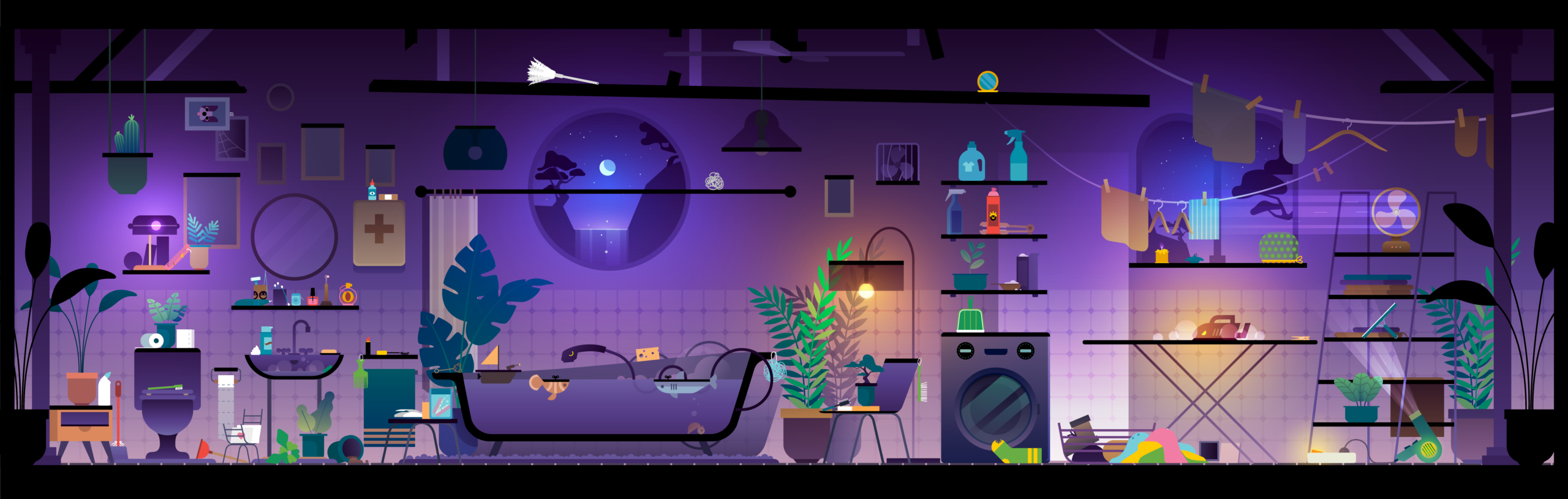
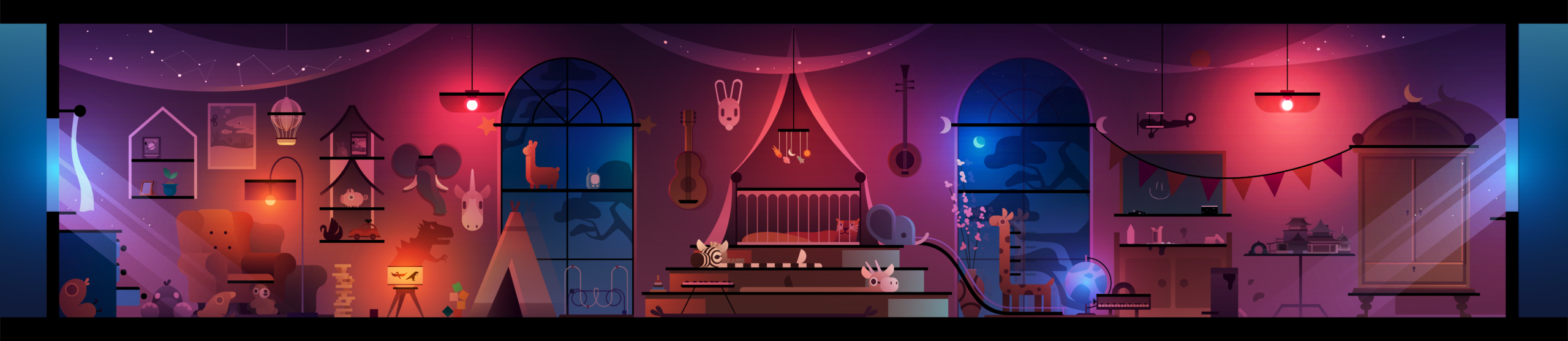
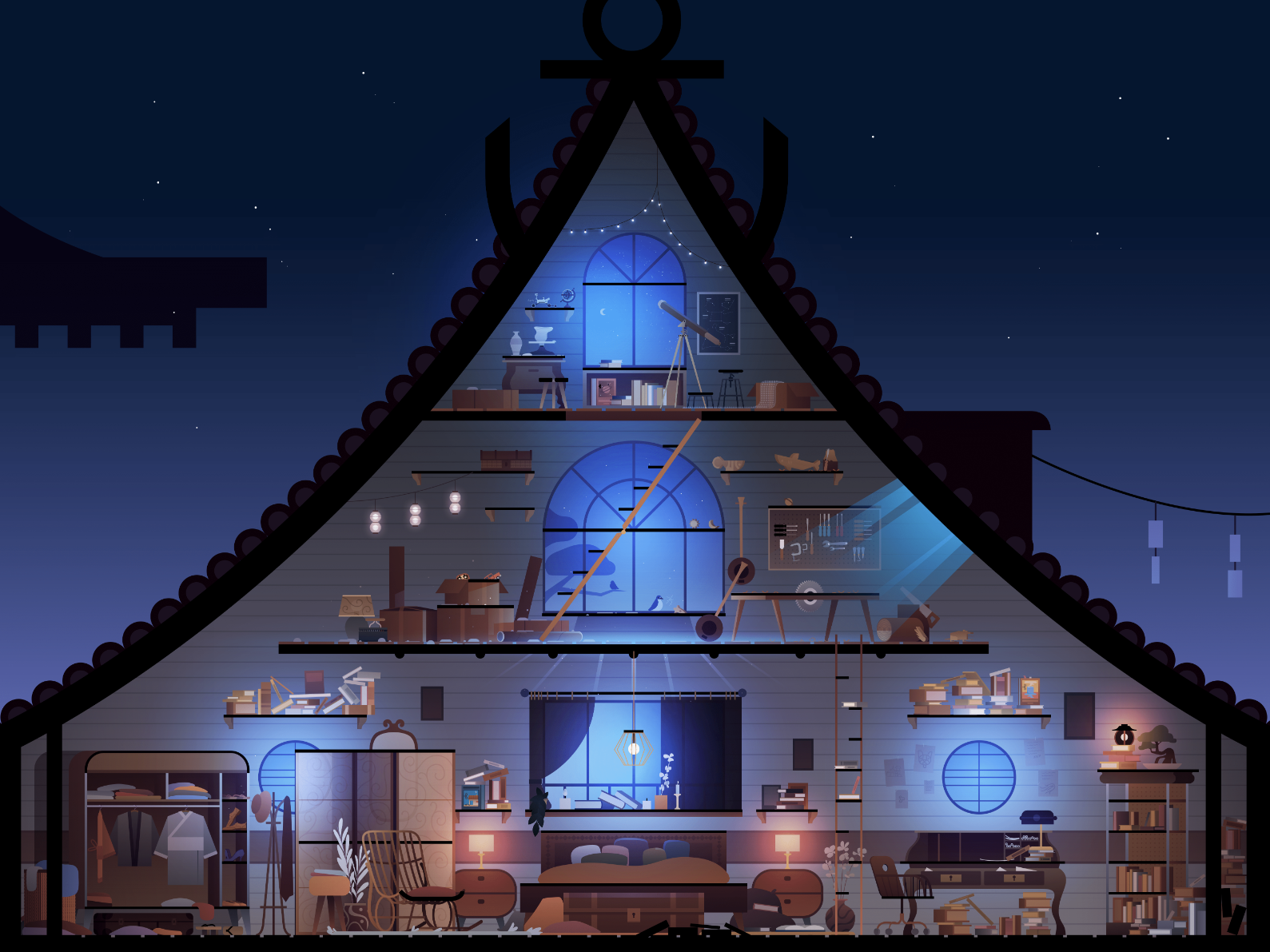
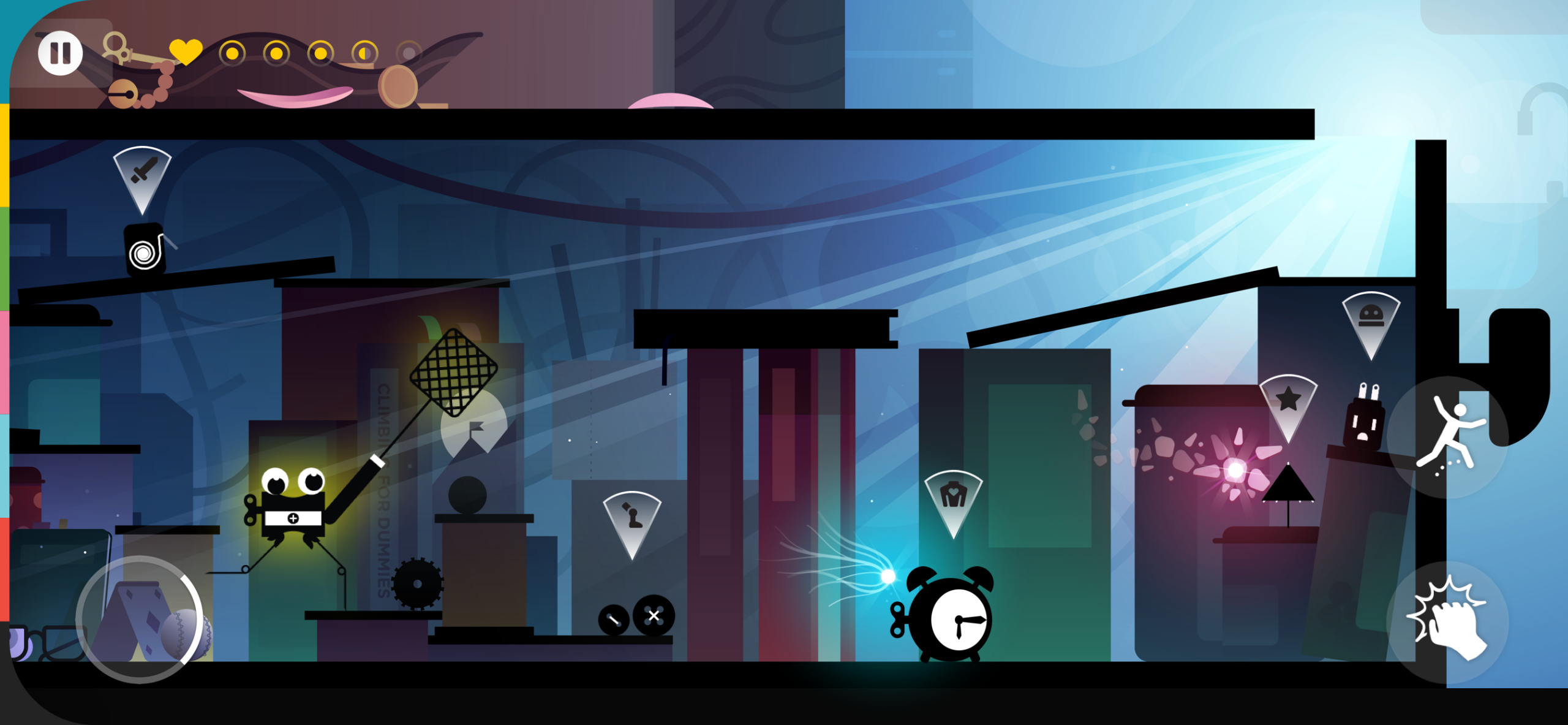
The game takes place inside a house after dark, where ordinary objects become part of a hidden supernatural world. Rooms, furniture, and familiar household details became places to explore, things to interact with, and material for new creatures.
I worked across the experience to help shape how the world felt, how players moved through it, and how the creatures belonged inside it.
The house needed to feel recognizable enough to be familiar, but strange enough that it felt different once the lights went out.
GAME DESIGN
From toy to game
What started as an open-ended creature-building toy eventually grew into a fuller game.
Creature creation became connected to battling, exploration, discovery, and progression. Instead of making a creature just to look at it, players could bring it into the world and see how its different parts affected what it could do.
That shift meant thinking about the system at a much larger scale: how creatures behaved, how players understood their abilities, how progression worked, and how all of those pieces could stay playful without becoming overly complicated.
I worked closely with the team as those systems developed, helping connect the original creative premise to the larger game experience.









INTERACTION DESIGN
Making them feel alive
A lot of the personality of Things That Go Bump comes from the small things.
How a creature moves, reacts, attacks, waits, or falls apart can completely change how it feels, even when the underlying parts are the same.
We used animation, interaction, and timing to make the creatures feel less like assembled pieces and more like little characters with their own personalities.
Because so many combinations were possible, the system also had to be flexible enough to support creatures we could not completely predict ahead of time.
SYSTEM DESIGN
Growing the system
As the game expanded, the design had to support more creatures, more parts, more environments, and more things for players to discover.
Rather than treating each new addition as a separate feature, we tried to build systems that could keep growing. The modular creature system was the clearest example of that, but the same thinking carried into the rest of the game.
That balance between structure and unpredictability became one of the things I liked most about the project.
outcome
Launched on Apple Arcade
Things That Go Bump launched on Apple Arcade.
What began as a small experiment around interchangeable creature parts grew into a full game with its own world, systems, and personality.
The part that still feels most distinctive to me is the original idea at the center of it: taking ordinary things, putting them together in unexpected ways, and seeing what kind of creature comes out.
timeline
2018–2019
platforms
iOS · MacOS · Apple TV
Role
Lead Designer
focus
Product Design
Game Design
UX/UI
Art Direction
Interaction Design
Artists
Adrian Fernandez
Francesca De Vivo
Collaborators
Robert Blackwood, Engineering
Raul Gutierrez, Product
Kendall Noble, Animation
Adrian Fernandez, Artist & Illustration
Francesca DeVivo, Artist & Illustration