Tinybop • 2016–2026
Tinybop—
Designing for Play
Some of my favorite work at Tinybop involved figuring out how to turn an idea into something a child could play with.
From experimenting with matter and bending light to inventing strange little creatures, each project called for a different approach to interaction design.
The goal was to design playful interactions that encourage kids to experiment, discover things for themselves, and find delight in unexpected results.
Challenge
Designing for Curiosity
How do you make interactions easy for children to discover without telling them exactly what to do?
Each experience needed enough structure to make cause and effect understandable, while leaving room for kids to experiment, make unexpected connections, and find their own ways to play.
Selected Case Studies

01 / STATES OF MATTER
Making the invisible tangible
How do you help a child understand something they can't see?
In States of Matter, we created a laboratory where kids could experiment with solids, liquids, and gases. By changing temperatures and watching particles respond, they could see what was happening at a microscopic level.
The same controls worked across different substances, making it easier to compare results without relearning the interface.
02 / LIGHT & COLOR
Bringing the outside world into play
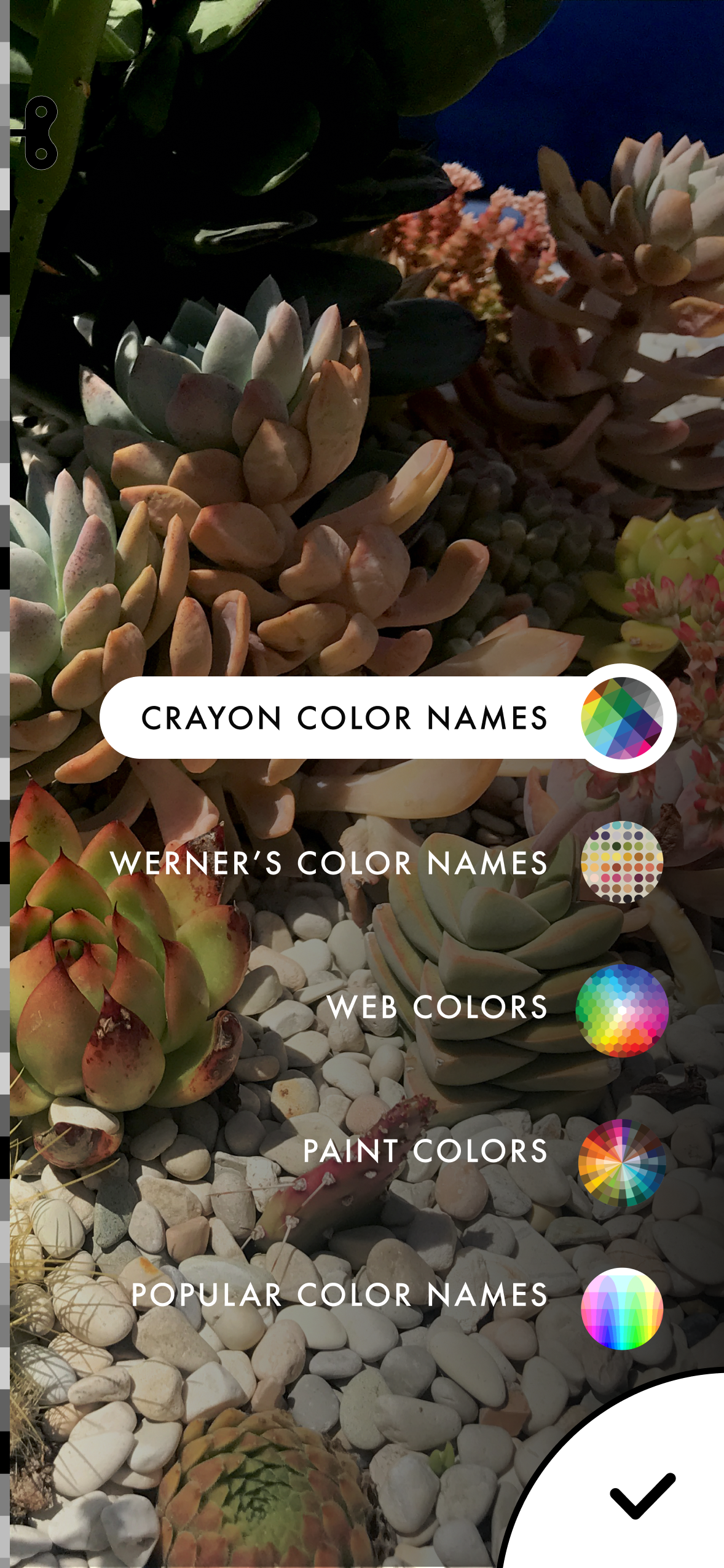
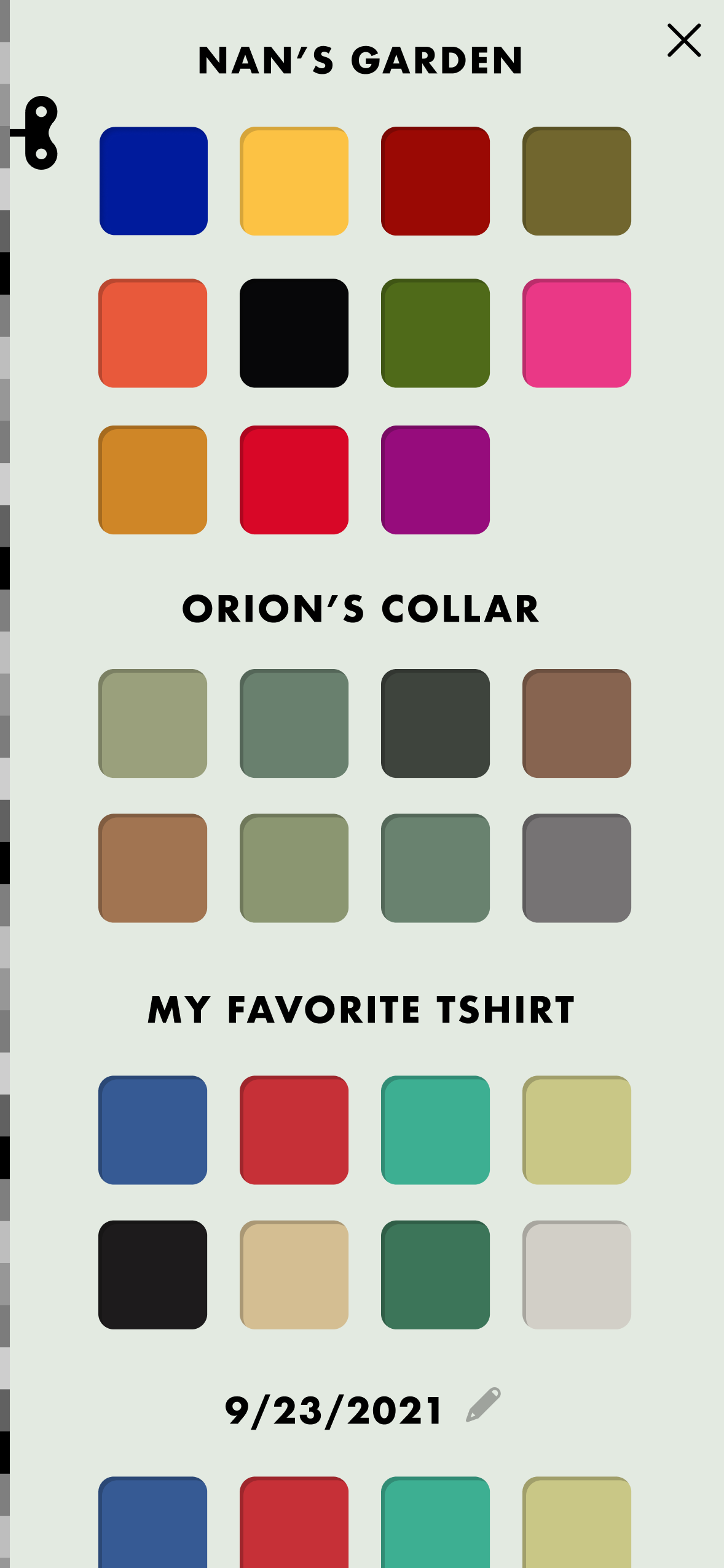
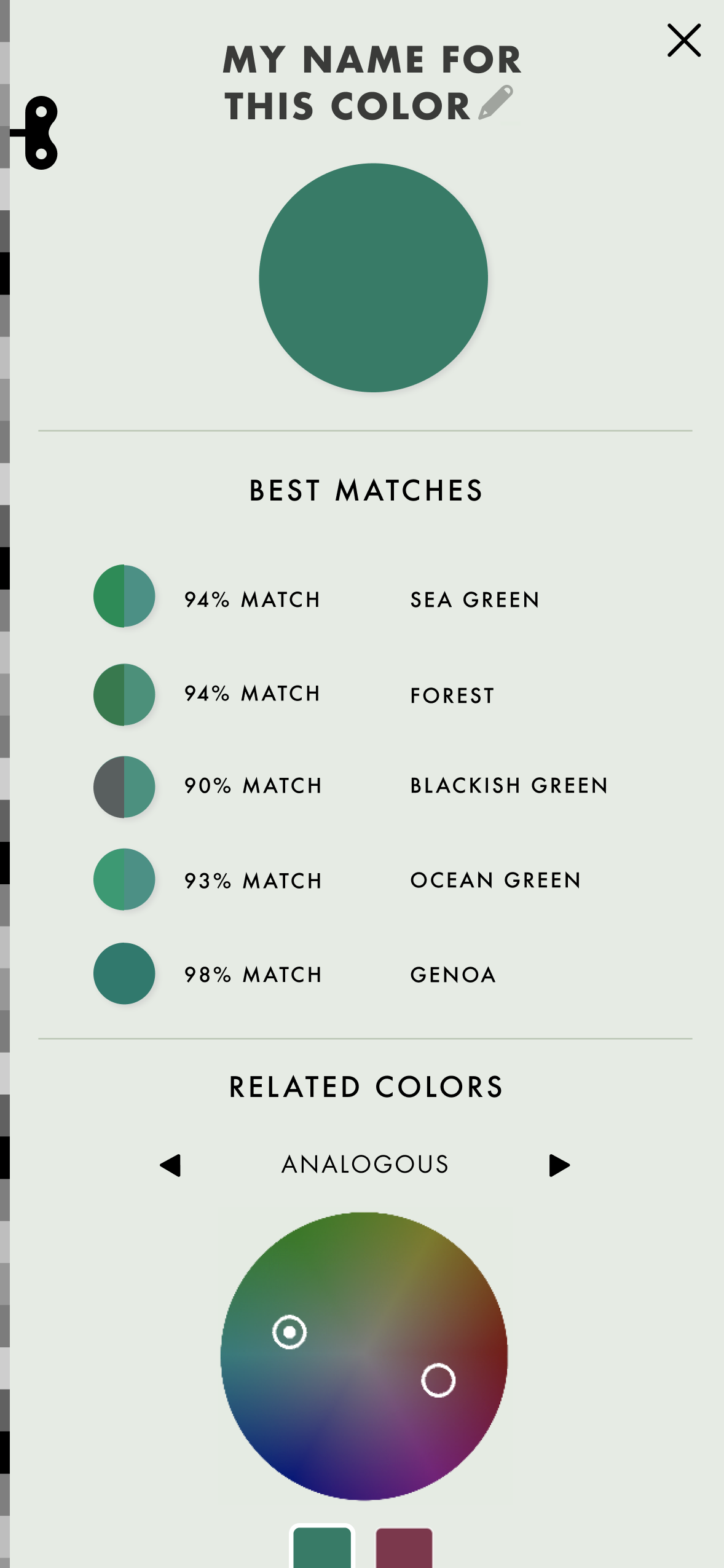
Light & Color invited kids to explore color both on and off the screen. They could pull colors from their surroundings, name and collect them, then assign them to objects.
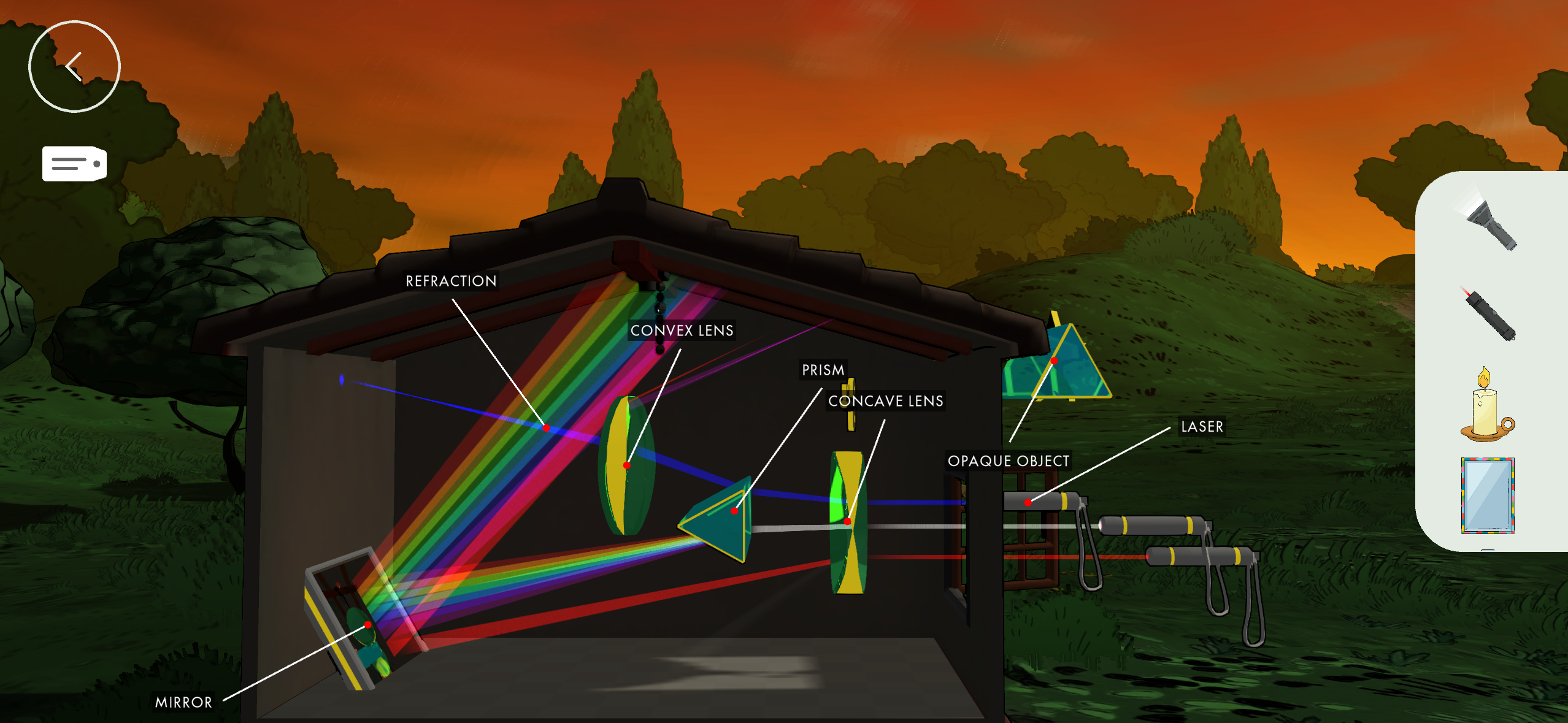
We treated color almost like a physical substance rather than something selected from a conventional picker. Other experiments let kids rotate suspended prisms, layer lenses, and discover how light and color change.
03 / THINGS THAT GO BUMP
Endless combinations
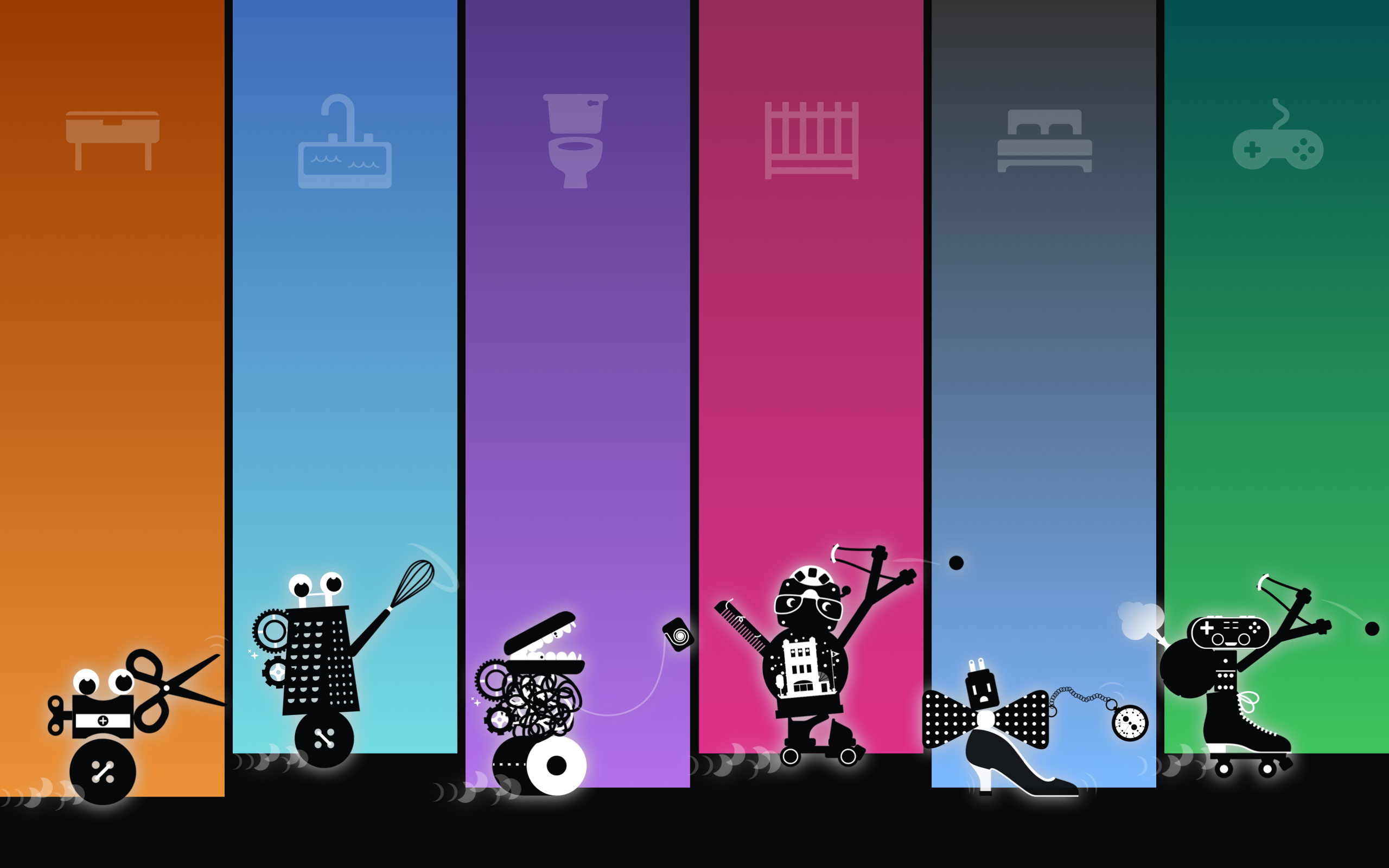
Things That Go Bump started as a small experiment between a developer and me.
Inspired by Japanese yōkai folklore, we explored turning ordinary household objects into strange creatures through interchangeable heads, bodies, and limbs.
We weren't trying to make every combination look perfectly designed. The unexpected results were often the most fun. That original experiment eventually became the foundation for a much larger game.

04 / CREATURE GARDEN
Giving kids a place to invent
Creature Garden offered a different kind of play: building fantastical creatures from interchangeable parts, then discovering what they could do.
Rather than directing kids toward one correct result, the experience encouraged them to experiment with combinations, abilities, and unexpected outcomes.

05 / INTERACTION DETAILS
Preserving the weirdness in the details
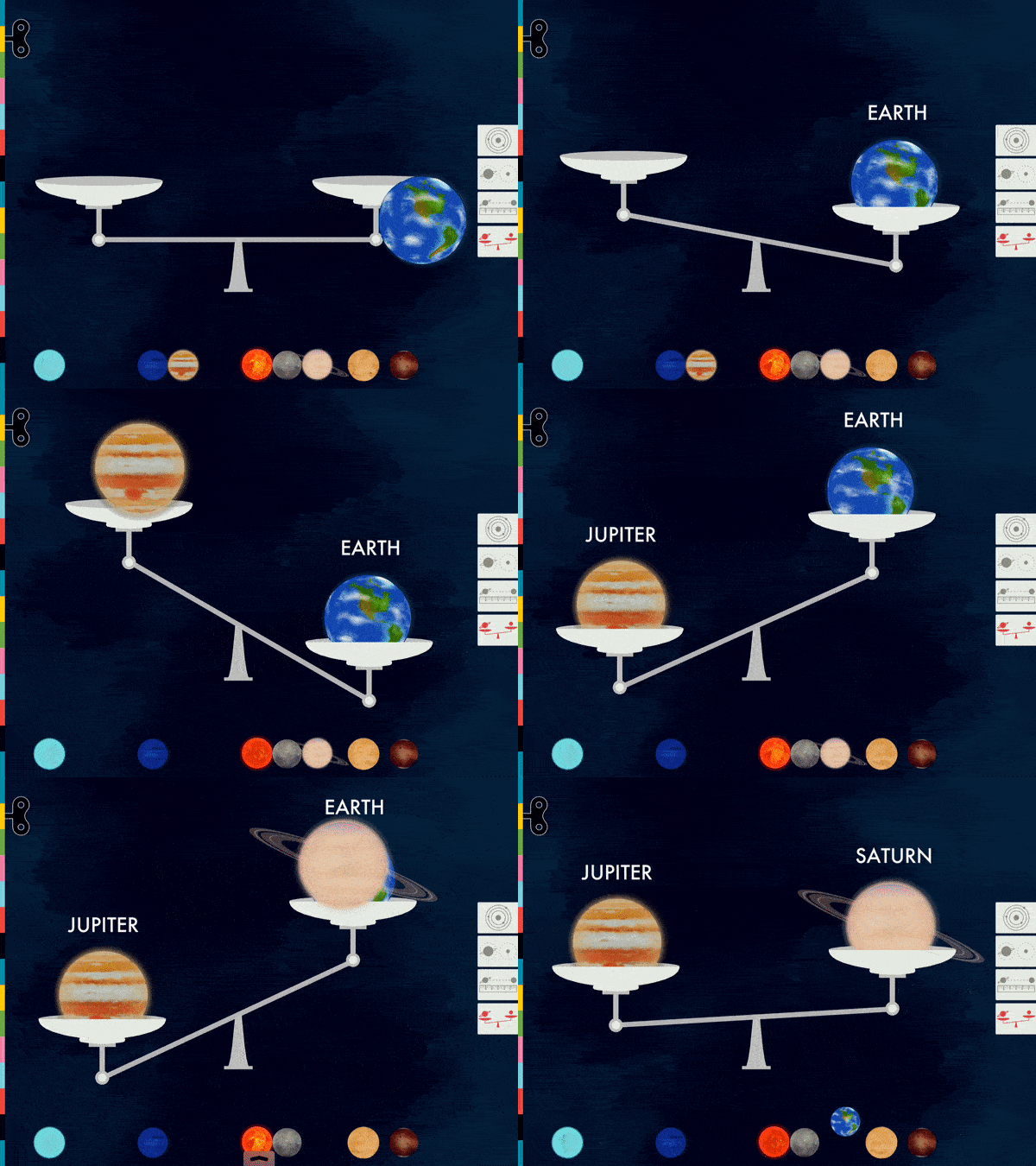
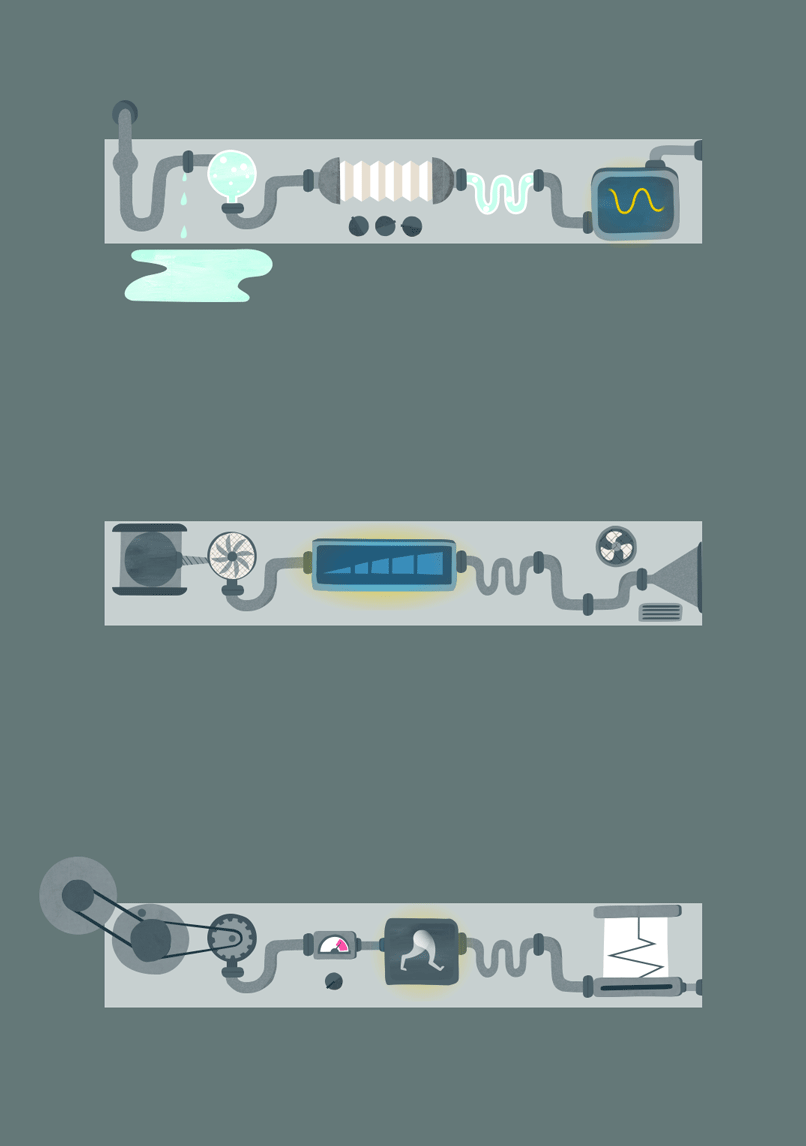
A response to a tap, the way something moves, an unexpected sound, or a small detail hidden in a scene can change how an experience feels.
Across these projects, I worked closely with developers, artists, animators, and educators to refine those moments, making interactions understandable without designing all the surprises out of them.
Role
Senior Product Designer & Design Lead
Deliverables / Focus
Product Design
UX/UI
Creative Direction
Prototyping
Technical Context
Unity-based apps
platforms
MacOS
AppleTV
iOS
Android
Wear OS
Web
Recognition
Apple Editor’s Choice & Features
Digital Ehon Award
Bologna Children's Book Fair Shortlist
Excellence in Early Learning Digital Media Award
Collaborators
Product
Engineering & Development
Artists & Technical Art
Education
Research & QA
Design
Sound